If you are comparing Ducted Air Conditioning Canberra options, it helps to understand what a ducted system is, how it works, and whether it suits your home. Ducted air conditioning is a whole-home heating and cooling system that uses one central unit and a network of concealed ducts to deliver conditioned air into multiple rooms.
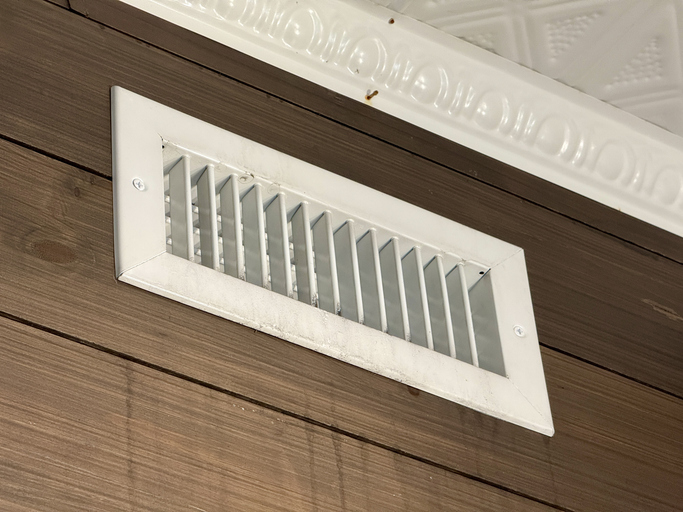
Instead of installing separate wall-mounted air conditioners in different areas, a ducted system is designed to provide central climate control. Most of the equipment is hidden in the roof space, ceiling cavity or underfloor area, with only the vents, return air grille and controller visible inside the home.
For homeowners, ducted air conditioning can be a practical option because local homes often need both reliable cooling in summer and effective heating through cold winters.
What’s makes up a Ducted Air Con System?
Ducted air conditioning is a central air conditioning system that heats or cools multiple rooms through hidden ductwork. Most modern systems are reverse-cycle, meaning they can provide both cooling and heating from the same system.
A typical ducted air conditioning system includes:
- An outdoor unit
- An indoor unit
- Insulated ductwork
- Ceiling, wall or floor vents
- A return air grille
- An air filter
- A controller or smart thermostat
- Optional zoning controls
The main appeal of ducted air conditioning is that it can provide comfort across the whole home while keeping the interior clean and uncluttered.
How does ducted air conditioning work?
To answer the common question, how does ducted air conditioning work, the process is fairly simple.
The system draws air from inside your home through a return air grille. This air passes through a filter before reaching the indoor unit. The indoor unit then heats or cools the air, depending on the mode selected.
Once the air has been conditioned, a fan pushes it through insulated ducts. The ducts carry the air to different rooms, where it is released through vents. The air then circulates through the home before being drawn back through the return air grille, and the cycle continues.
In simple terms, ducted air conditioning works by:
- Drawing indoor air into the system
- Filtering the air
- Heating or cooling it
- Sending it through ducts
- Releasing it through vents
- Repeating the cycle to maintain the set temperature
This is also the basic answer to how ducted air conditioning works, how do ducted air conditioning systems work, and how does a ducted air conditioning system work.
How does ducted air conditioning work in a house?
When people ask how does ducted air conditioning work in a house, they usually want to know how the system feels in everyday use.
In most homes, ducted air conditioning is controlled from a wall controller or smart thermostat. You select heating or cooling, choose your target temperature, and turn on the areas of the home you want to condition.
For example, during a Canberra summer, you might cool the living areas during the day and switch to bedroom zones at night. In winter, you might heat bedrooms in the morning and then use the living zone later in the day.
This is where zoning becomes useful.
What is zoning in ducted air conditioning?
Zoning allows you to divide your home into separate areas. Instead of heating or cooling the entire house at once, you can choose which rooms receive airflow.
Common ducted air conditioning zones include:
- Living and dining areas
- Bedrooms
- Master bedroom
- Home office
- Upstairs or downstairs areas
- Guest rooms
Zoning works through dampers inside the ductwork. When a zone is switched on, the damper opens and air flows into that area. When the zone is switched off, the damper closes and reduces airflow.
This can help improve comfort and reduce wasted energy, especially if some rooms are not being used.
Can you close doors with ducted air conditioning?
Yes, you can close doors with ducted air conditioning, but airflow still needs to be considered.
Many ducted systems have one main return air grille, often located in a hallway. If a room is part of an active zone and the door is closed, the air may struggle to return to the system. This can cause uneven temperatures, pressure build-up, whistling sounds or reduced efficiency.
As a general guide:
- If the zone is turned on, leaving the door slightly open can help airflow.
- If the zone is turned off, closing the door is usually fine.
- If you prefer closed doors at night, the system should be designed with return airflow in mind.
This is one reason professional design matters. A ducted system should suit how your household actually uses each room.
Do you need to open windows with ducted air conditioning?
No, you generally do not need to open windows with ducted reverse-cycle air conditioning. In most cases, windows and external doors should stay closed while the system is running.
Ducted air conditioning works by conditioning the air inside your home. If windows are open, hot air can enter during summer and cold air can enter during winter. This makes the system work harder and can increase running costs.
You can still open windows when the system is off to bring in fresh air. However, while the system is heating or cooling, keeping the home closed helps maintain a stable indoor temperature.
Do air conditioning ducts need to be cleaned?
Air conditioning ducts do not usually need to be cleaned as often as filters, but they may need attention over time.
The return air filter should be cleaned regularly because it captures dust before air enters the system. If the filter becomes clogged, airflow can drop and the system may need to work harder.
Duct cleaning may be worth considering if:
- Dust is visible around vents
- Airflow has reduced
- There is a musty smell when the system runs
- There has been pest activity in the roof space
- The ducts are old, damaged or contaminated
- The home has recently been renovated
- There are allergy or indoor air quality concerns
Not every system needs frequent duct cleaning. Sometimes airflow issues are caused by dirty filters, blocked vents, damaged ductwork, poor zoning setup or an ageing unit. A professional inspection can identify the real cause.
Do you need to service ducted air conditioning?
Yes, ducted air conditioning should be serviced regularly. Servicing helps maintain efficiency, comfort and reliability.
Homeowners can usually clean the return air filter themselves, depending on the system. However, deeper maintenance should be completed by a qualified air conditioning technician.
A ducted air conditioning service may include:
- Checking filters
- Inspecting the indoor and outdoor units
- Testing airflow
- Checking accessible ductwork
- Testing electrical components
- Checking drains
- Inspecting zoning operation
- Testing the controller
- Identifying wear, faults or leaks
For most Canberra homes, annual servicing is a sensible routine. If the system is used heavily through both summer and winter, more frequent servicing may be recommended.
How long does ducted air conditioning last?
A well-installed and properly maintained ducted air conditioning system can commonly last around 10 to 15 years. Some systems may last longer, depending on use, installation quality and maintenance history.
The lifespan of a ducted system depends on:
- How often it is used
- Whether it is serviced regularly
- The quality of the installation
- The condition of the ductwork
- Whether filters are cleaned
- Whether the system is correctly sized
Signs your ducted air conditioning may be nearing the end of its life include weak airflow, uneven temperatures, strange noises, higher running costs, frequent repairs or poor heating and cooling performance.
Does ducted air conditioning add value to your house?
Ducted air conditioning can add appeal and perceived value to a home, especially in areas where year-round comfort is important. In Canberra, a quality reverse-cycle ducted system can be attractive because it provides both heating and cooling from one central setup.
It can also improve the way a home presents. Because most of the system is hidden, ducted air conditioning creates a cleaner look than multiple wall-mounted indoor units.
Ducted air conditioning is most likely to support property value when the system is modern, energy efficient, zoned, professionally installed and regularly serviced.
Is ducted air conditioning right for every home?
Ducted air conditioning is a strong option for many homes, but it is not always the best choice for every property.
It is often suitable for medium to large homes, families using multiple rooms, open-plan living areas, new builds, renovations and homes with suitable roof or underfloor space.
It may be less suitable for small apartments, homes with limited ceiling space, households that only use one room, or properties where ductwork would be difficult to install.
For single-room comfort, a split system may be more practical. For whole-home comfort, ducted air conditioning is often the more integrated option.
Should you call a Professional?
For homeowners, ducted air conditioning can be a comfortable and discreet way to manage both summer heat and winter cold. The best result comes from choosing a system that suits your home’s layout, insulation, roof space, zoning needs and daily use.
If you are considering Ducted Air Conditioning in Canberra, Gemin3 Air Conditioning Canberra can help assess your home and recommend a ducted solution designed for long-term comfort, efficiency and reliable performance. Reach out to the team today!